01
 Personal Info
Name: Rollo Reese May
Location: Ada, Ohio, U.S.
Date of Birth: April 21, 1909
Date of Death: October 22, 1994
"To love means to open ourselves to the negative as well as
as the positive - to grief,
sorrow, and disappointment as
well as to joy, fulfillment, and intensity consciousness
we did not know was possible before."
Personal InfoName: Rollo Reese May
Location: Ada, Ohio, U.S.
Date of Birth: April 21, 1909
Date of Death: October 22, 1994
 Education History
1930
May earned his bachelor’s degree in English from Oberlin College in Ohio.
At first, he studied English at Michigan State College but got expelled
due to this involvement in a radical student magazine. After that
he transferred in Oberlin College.
1933
May returned to the United States from Greece
to finish his theology studies in Union Theological Seminary.
During his studies there, he became friends with one of his teachers,
Paul Tillich, the existentialist theologian. Then his studies were
interrupted for two years when his parents divorced. He returned to
Michigan to help with his younger siblings and worked as a student adviser
at Michigan State
1938
May received his Bachelor of Divinity from Union Theological Seminary in New York City.
He didn’t want to become a priest. He just wanted to reflect on the things that interested
him such as suicide, desperation, and anxiety. Psychology didn’t pay much attention to
those topics back then.
1949
May earned his PhD in clinical psychology from Teachers College, Columbia University in New York.
May’s PhD was the first that Columbia University awarded in clinical psychology.
 Work History
 About Me
I’m an American
Existential Psychologist,
and an author of so many famous books.
I work with
Humanistic Psychology,
Existential Philosophy,
Existential Psychotherapy
with
Viktor Frankl.
I was influenced by the North American
Humanism,
and is interested in reconciling
Existential Psychology
with other philosophies. I considered
Otto Rank
(1884-1939) to be the most important precursor of
Existential Therapy.
Before Otto's death I wrote "I have long considered Otto
Rank to be the great unacknowledged genius in
Freud's circle."
I was often grouped with Humanists, it was
Abraham Maslow
who provided a good base for my studies
and theories as an
existentialist.
I helped introduce Existential Psychology in 1958, collaborated with
Ernest Angel
and
Henri Ellenberger
to edit the book "Existence".
My aim was to understand the underlying mechanisms and reality behind human
suffering and crises by combining elements of Humanism with Existentialism in the approach to therapy.
I once had an argument about the development proceeds through specific stages during which a person must
deal with a specific crisis or challenge. One of the arguments that I can never forget was about the Anxiety,
it is a major catalyst in human life, enabling to make courageous decisions, but it can also help us avoid
danger while empowering them to find ways to remain safe.
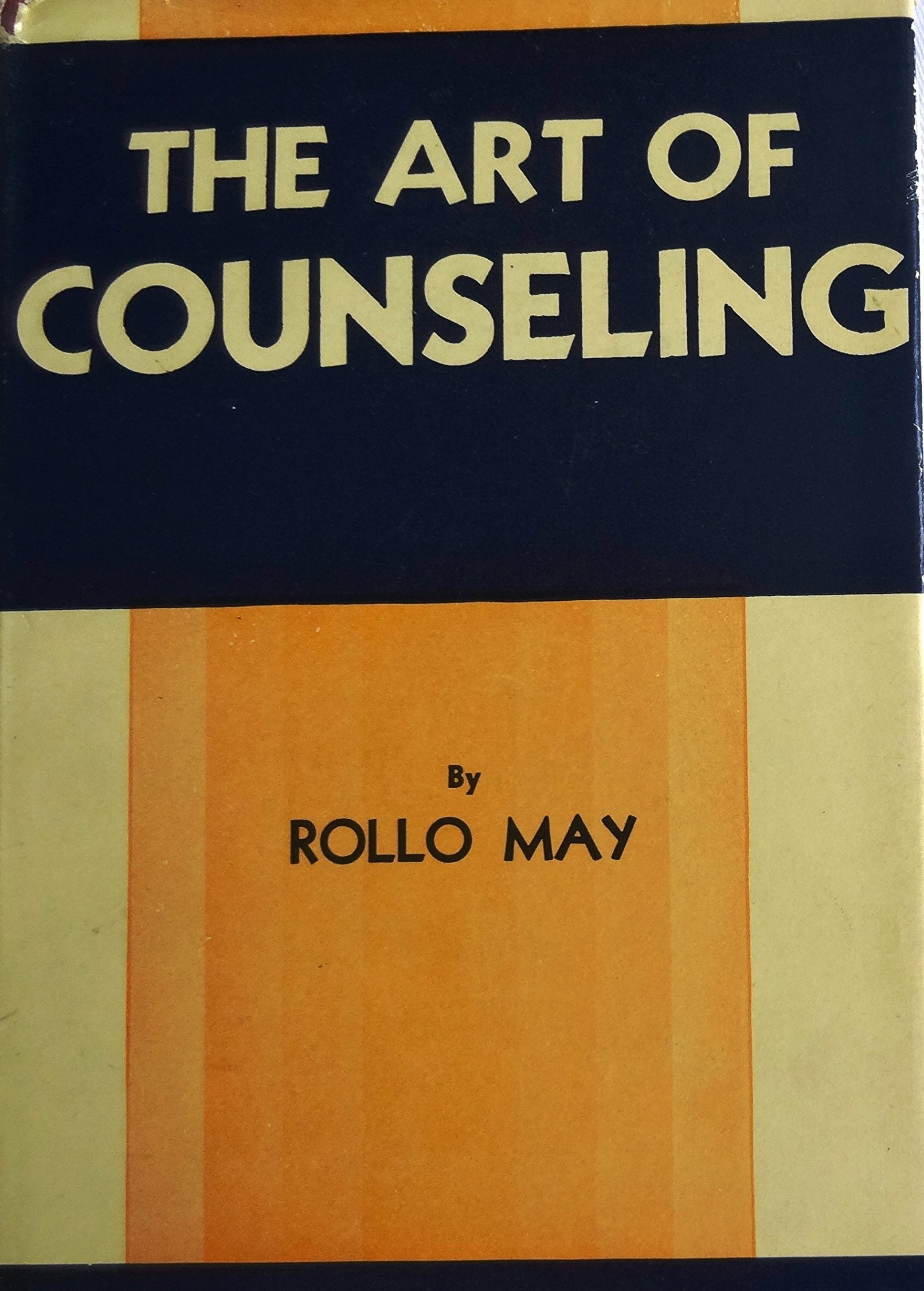
May's first book, was used by May to talk about his experience of counselling. Some of the topics he looks at are empathy, religion, personality problems and mental health. May also gives his perspective on these and also discusses how to handle those particular types of issues should a counselor encounter them (May, 1965).
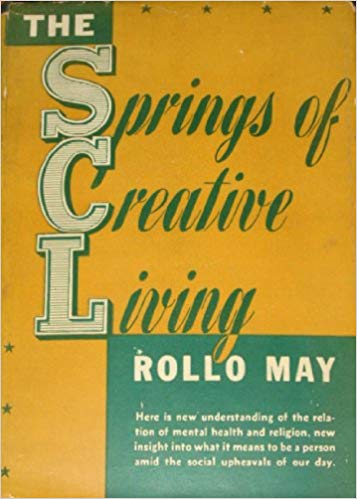
Here May presents a personality theory influenced by critiquing the work of others, including Freud and Adler, claiming that personality is deeper than they presented it as. This is also where May introduces his own meaning for different terms such as libido from Freudian Psychology. May then goes on to talk about the theoretical such as god and humanity (May, 1940).
This book explores anxiety and how it can affect mental health. May also discusses how he believes that experiencing anxiety can aid development and how dealing with it appropriately can lead to having a healthy personality.
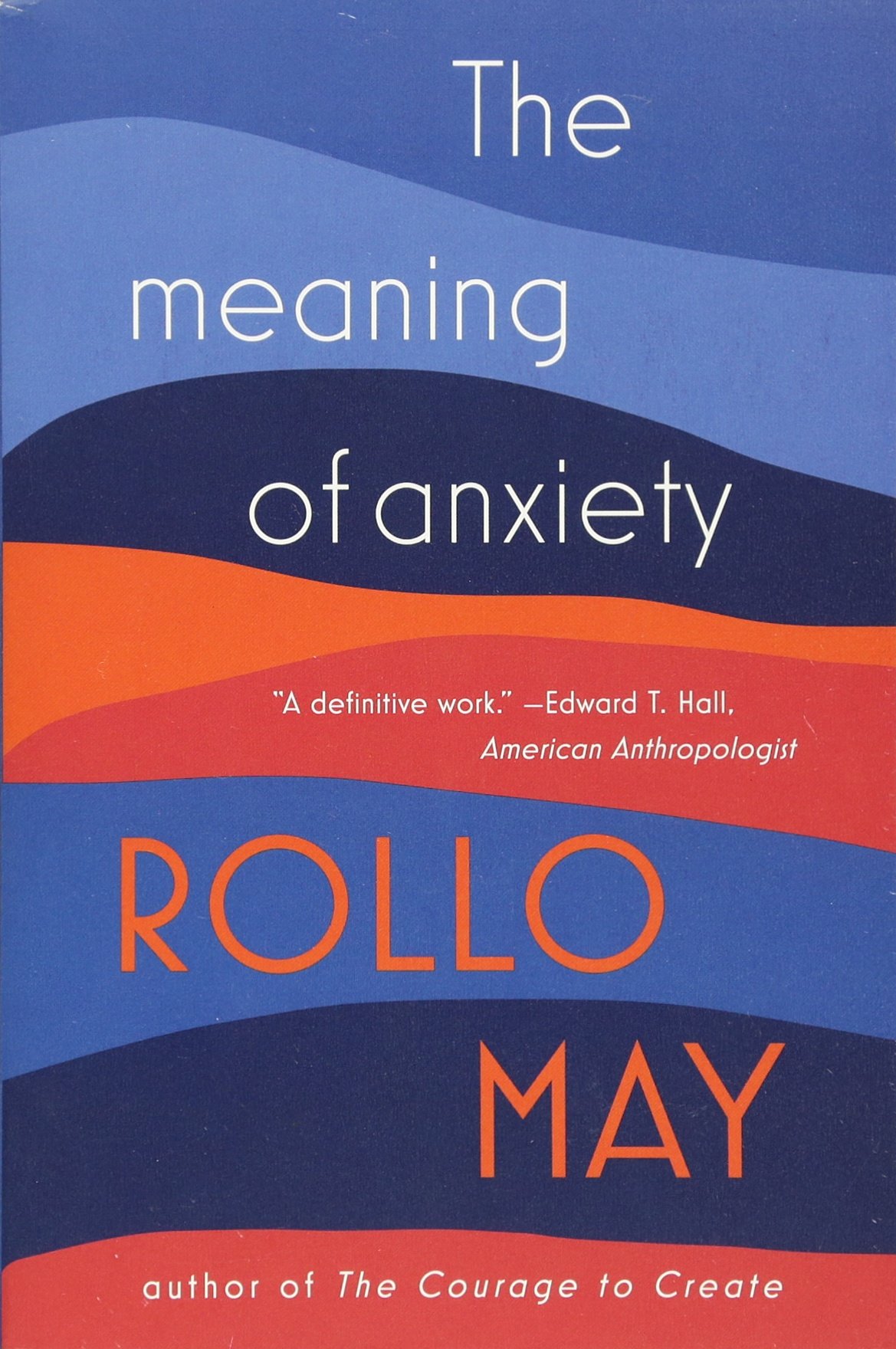
In this book May talks about his experience with his patients and the reoccurring problems they had in common such as loneliness and emptiness. May looks deeper into this and discusses how humans have an innate need for a sense of value and also how life can often present an overwhelming sense of anxiety. As the cover suggests, May also gives signposts on how to act during these periods. (May, 1953).
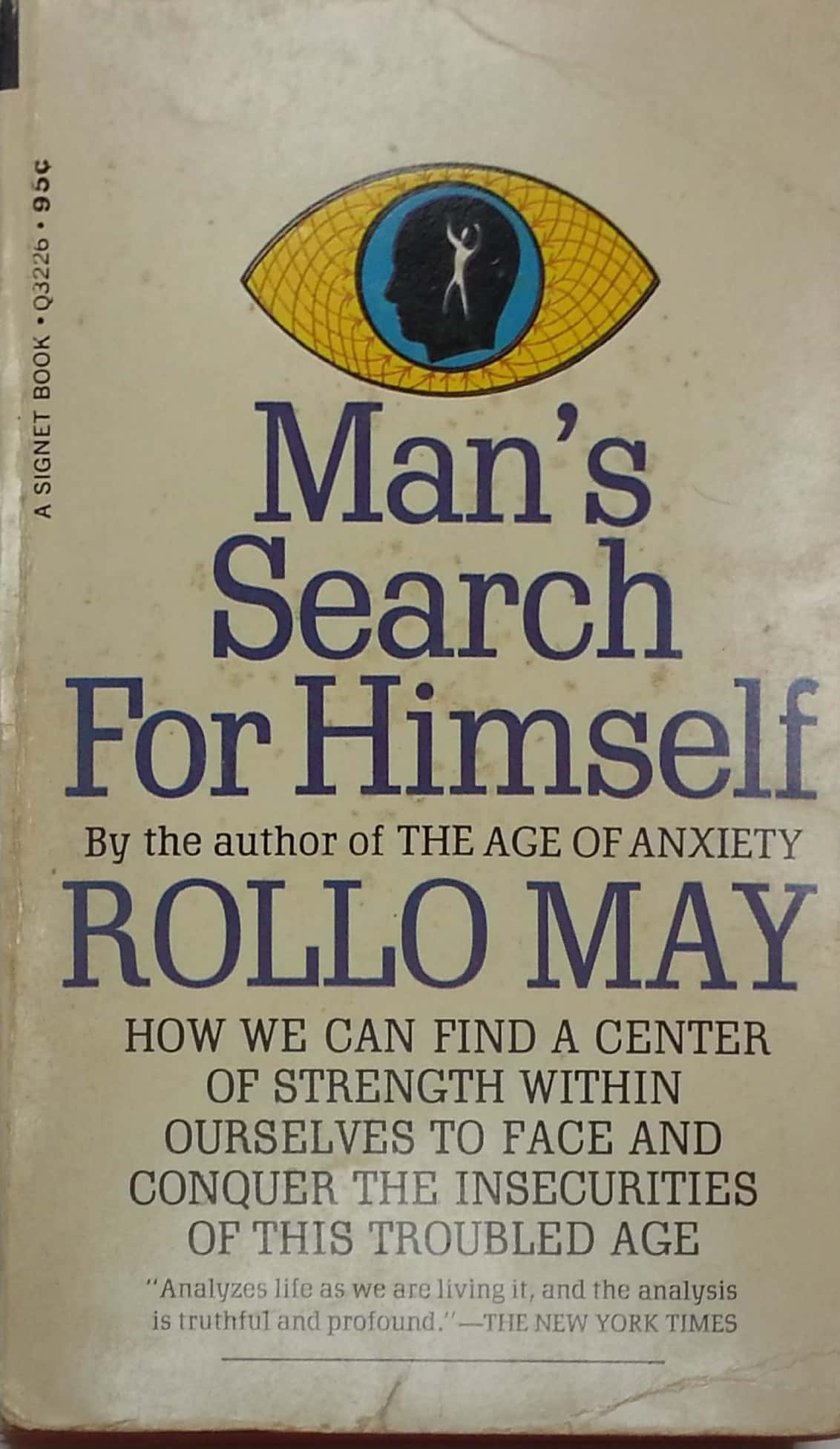
Not entirely written by May but his part of this book examines where the roots of Existential Psychology may have begun and why Existential Psychology is important in understanding a gap that lies in human beings. He also talks about the Existential Psychotherapy and the contributions it has made. (May, Ernest, Ellenberger & Aronson, 1958).
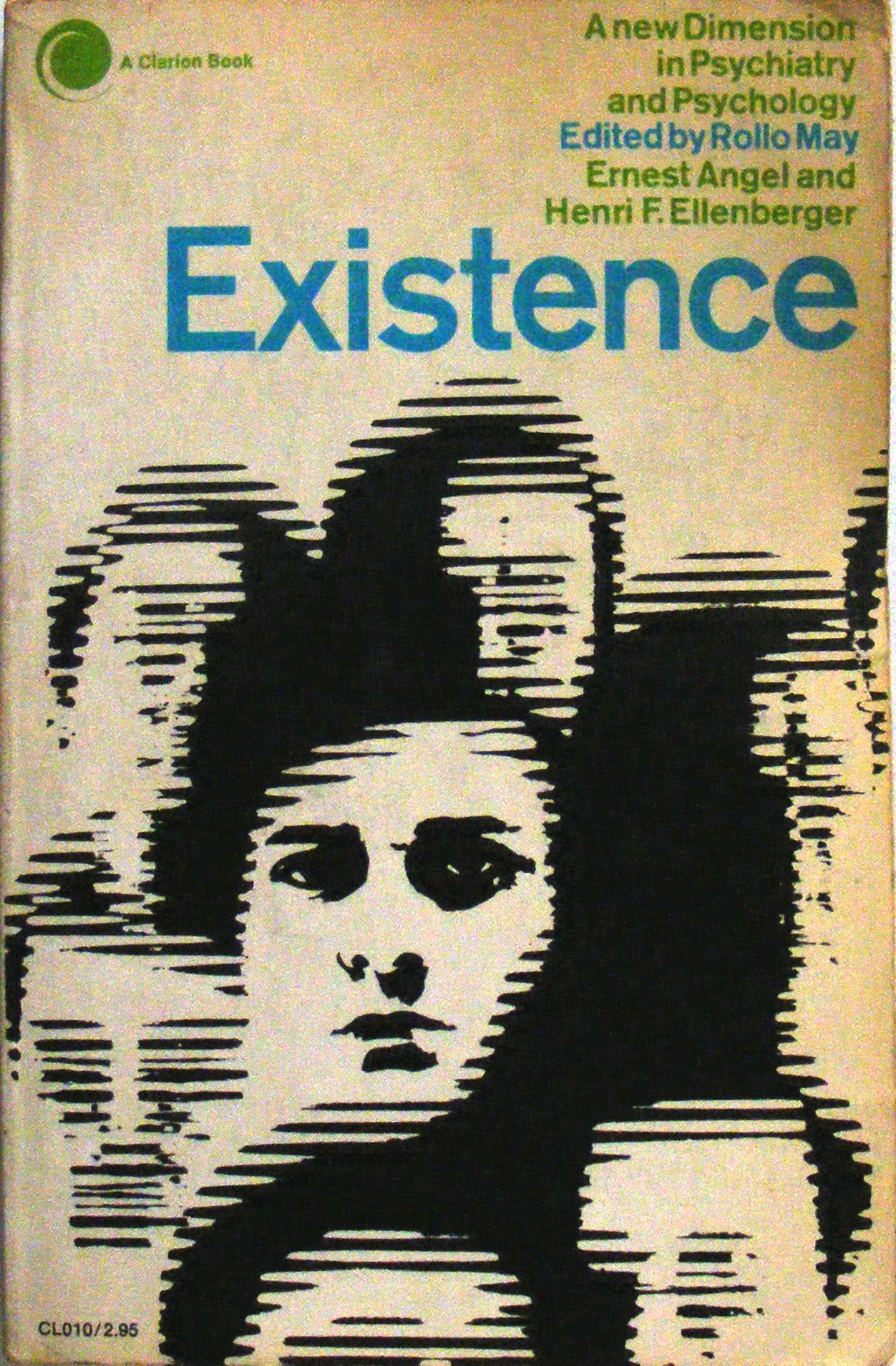
May uses this book to reflect on a lot of both his ideas so far and those of other thinkers and also mentions some contemporary ideas despite the book’s publication date. May also expands on some of his previous perspectives such as anxiety and people’s feelings of insignificance (May, 1967).
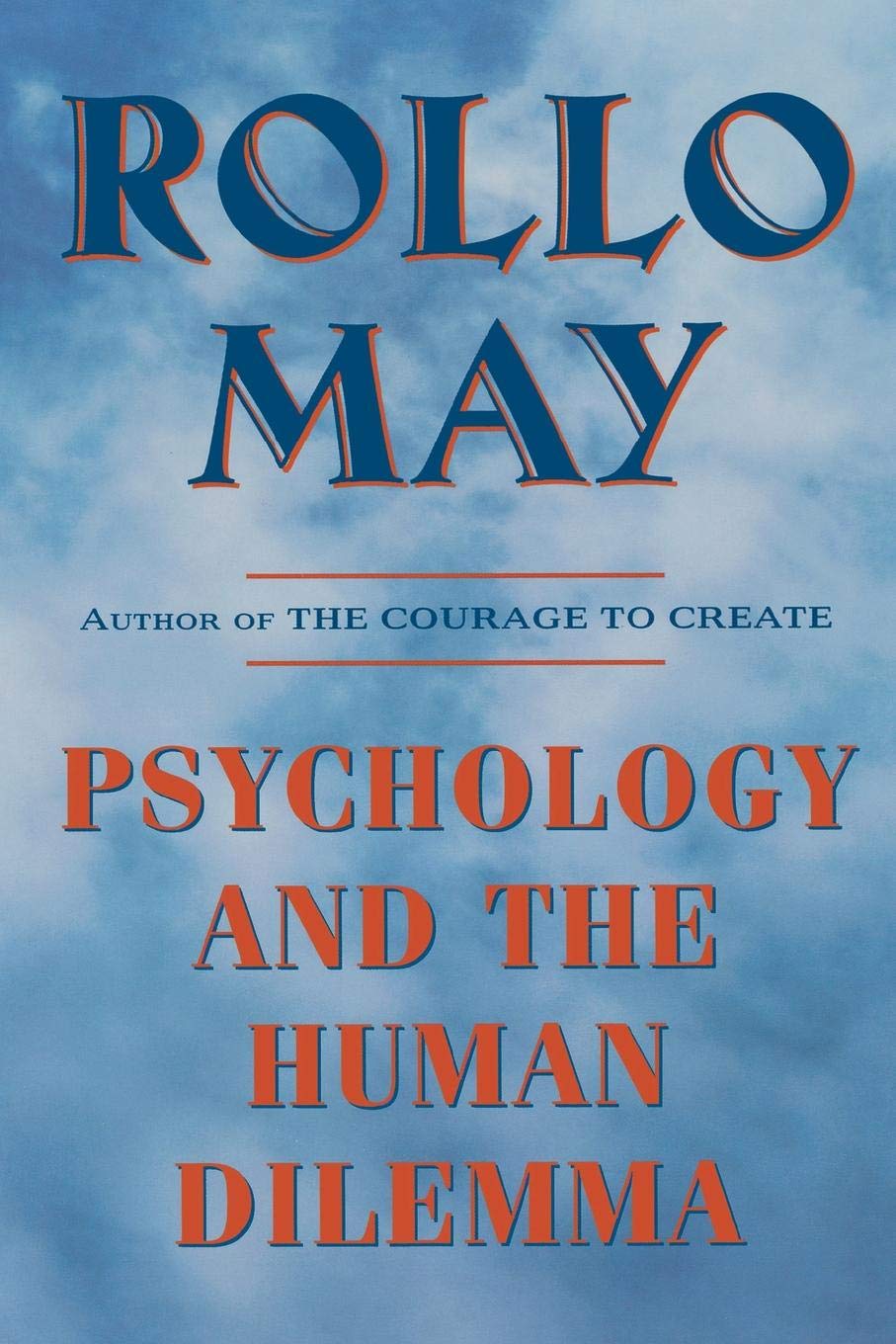
One of May’s most influential books. He talks about his perspective on love and the Daimonic; how it is part of nature and not the superego. May also discusses how love and sex are in conflict with each other and how they are two different things. May also discusses depression and creativity towards the end. Some of the views in this book are the ones that May is best known for (May, 1967). Love and will are most of that focus about sex.
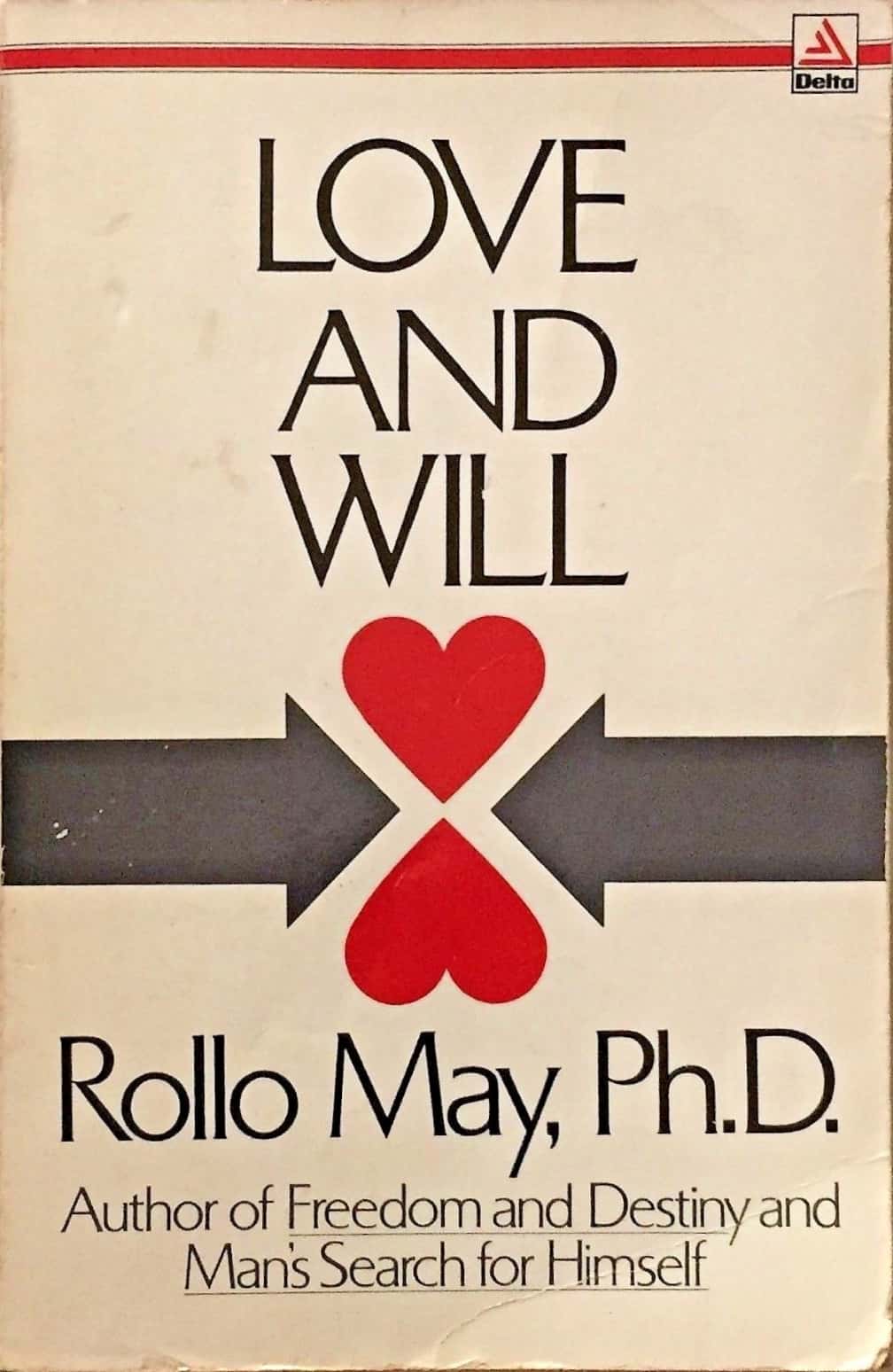
In 1970, May's most popular work, Love and Will(1969), won the Ralph Waldo Emerson Award for humane scholarship and became a best-seller.
In 1971, Rollo May won the American Psychological Association's Distinguished Contribution to Science and Profession of Clinical Psychology award.

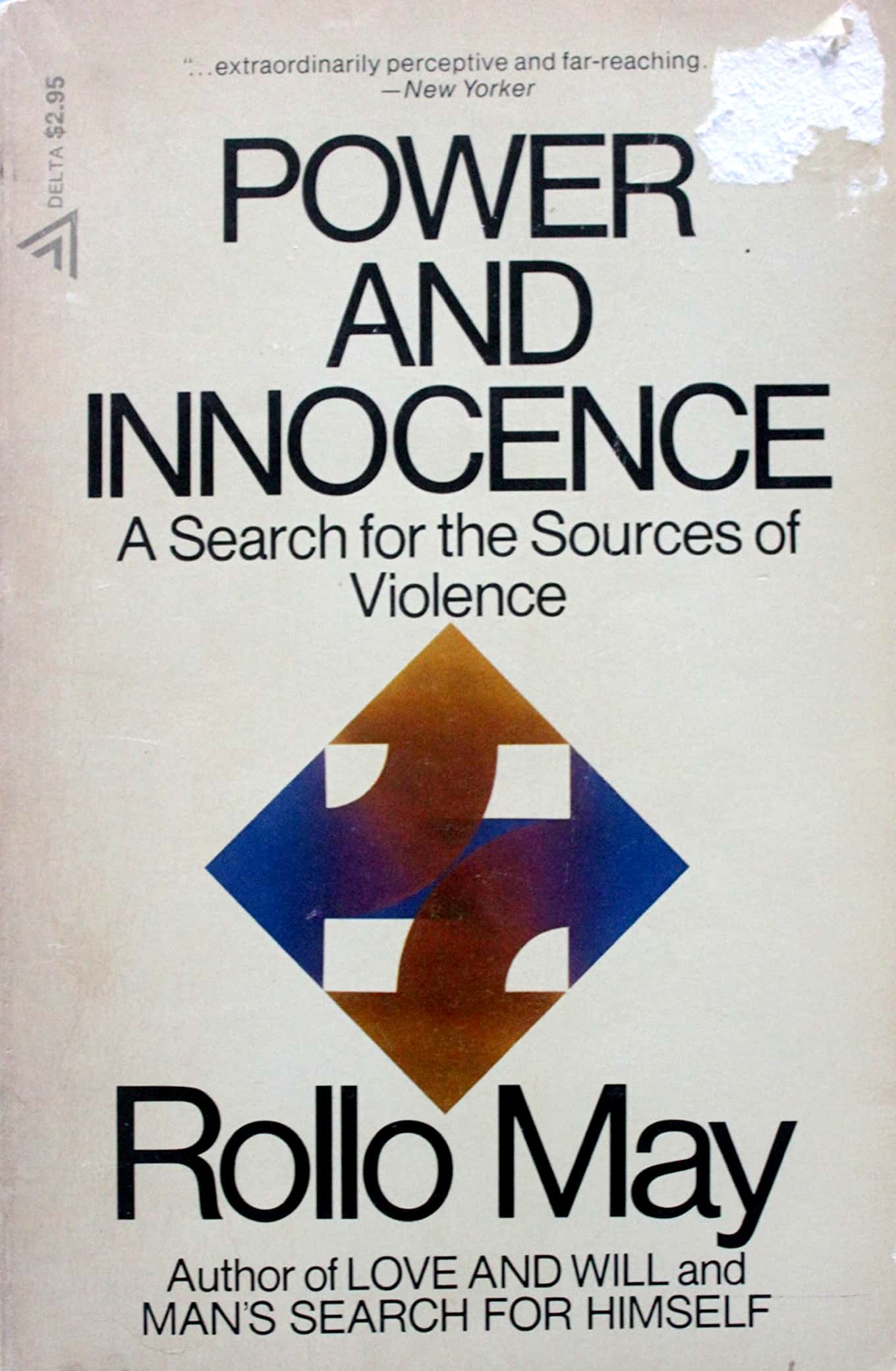
In 1972, the New York Society of Clinical Psychologists presented him with the Dr. Martin Luther King, Jr. Award for his book Power and Innocence(1972).

May uses this book to start some new ideas and also define words according to his way of thinking; such as power and physical courage and how power holds the potential for both human goodness and human evil. Another idea May explores is civilisation stemming out of rebellion (May, 1972).
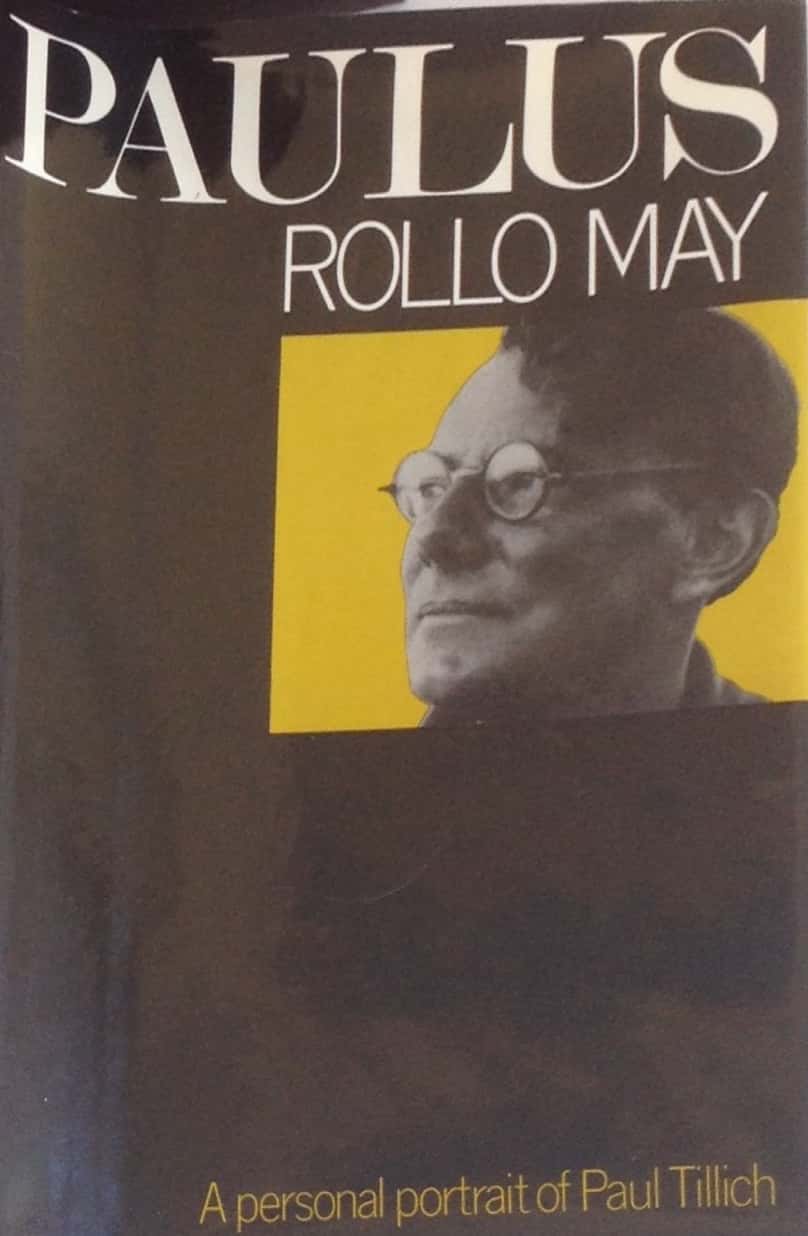
May identified Paul Tillich as one of his biggest influences and in this book May episodically recalls Tillich’s life trying to focus just on the key moments over the eight chapters, taking a psychoanalytic approach to the tale (May, 1973).
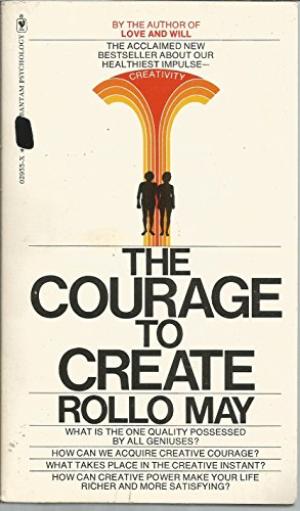
Listening to our ideas and helping form the structure of our world is what our creative courage can come from; this is the main direction of May in this book. May encourages that people break the pattern in their life and face their fears to reach their full potential (May, 1975).
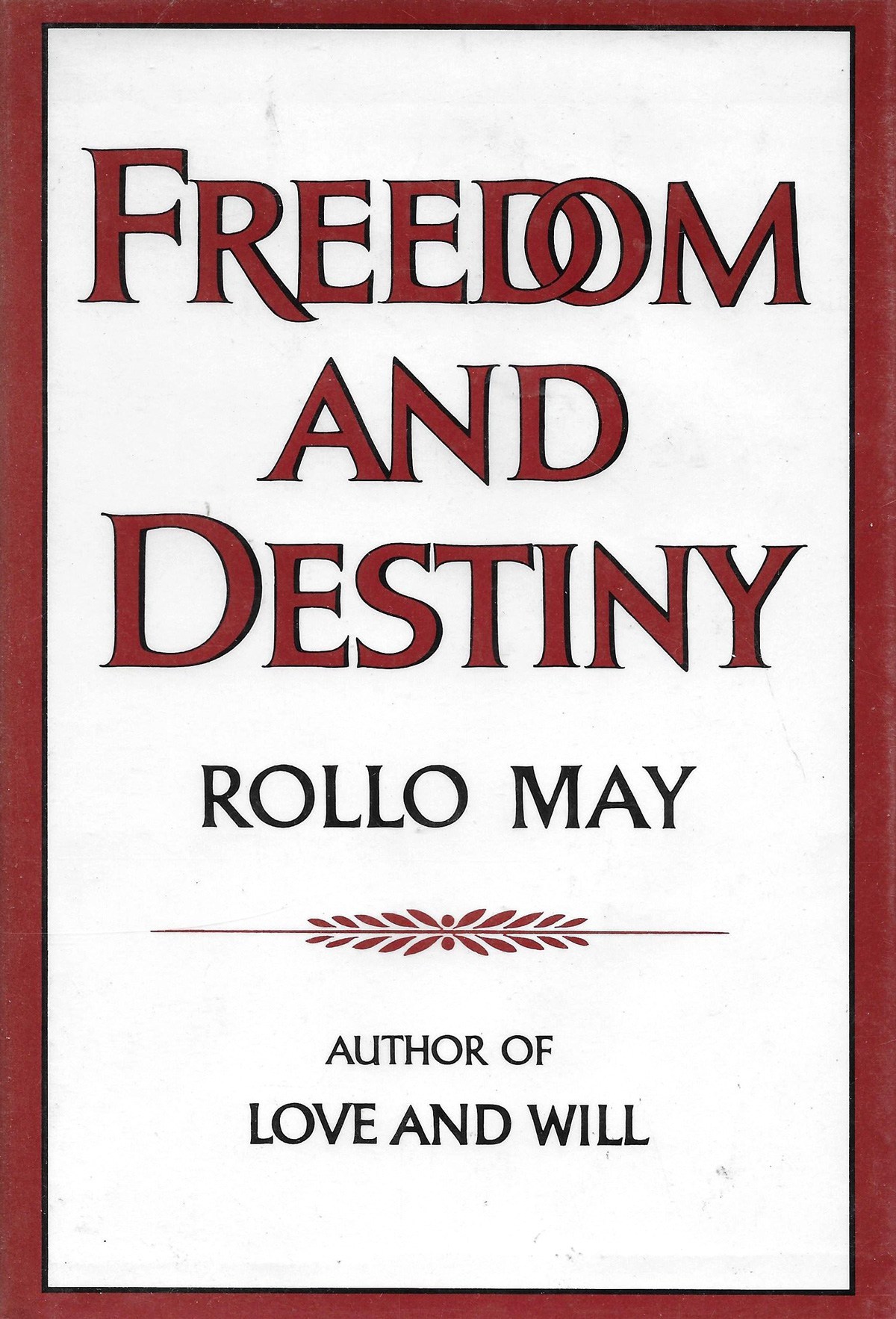
As the title suggests, May focuses on the area of Freedom and Destiny in this book. He examines what freedom might offer and also, comparatively, how destiny is imposing limitations on us, but also how the two have an interdependence. May draws on artists and poets and others to invoke what he is saying (May, 1981).
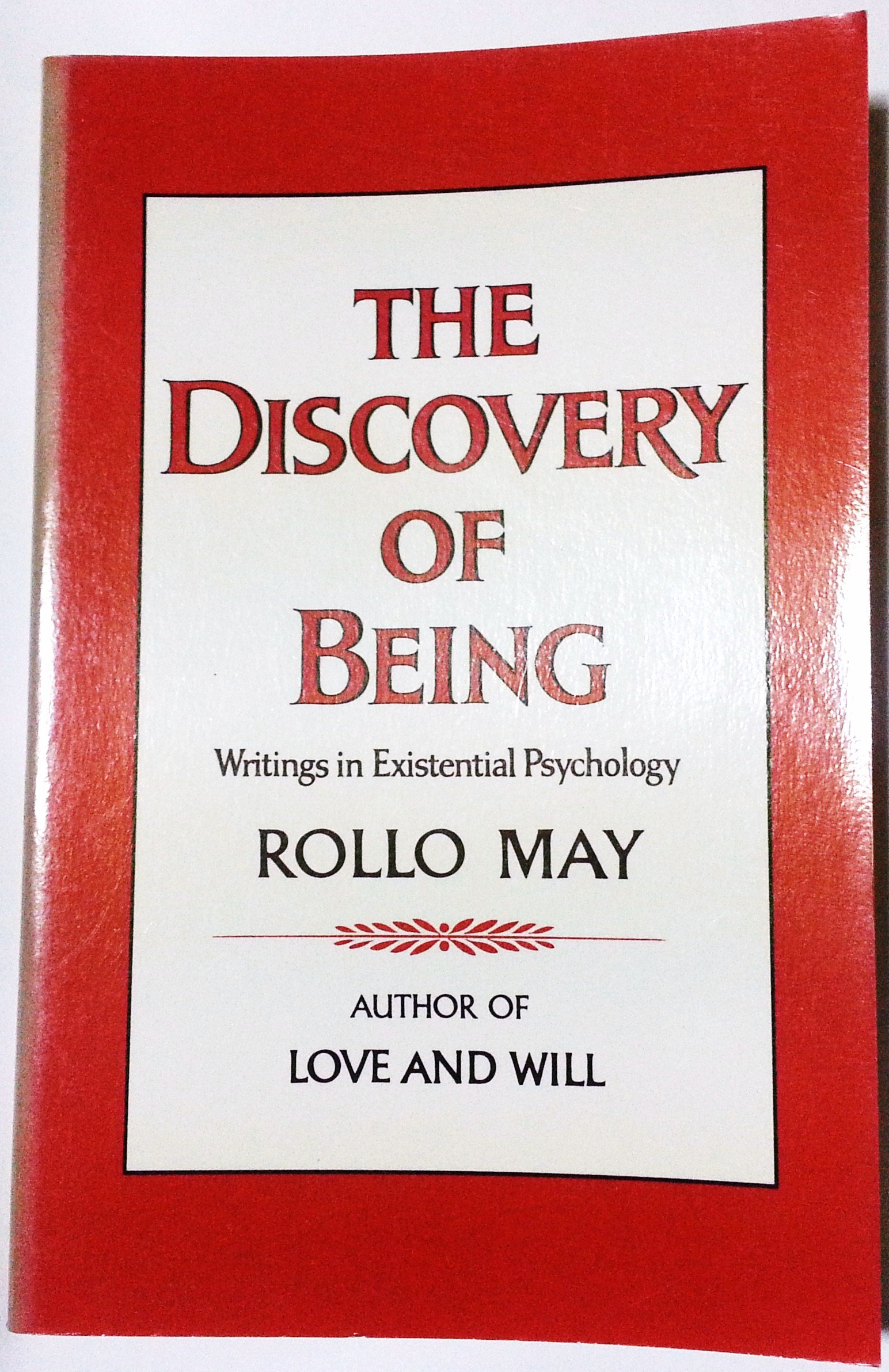
May draws on others perspectives, including Freud’s, to go into more detail on existential psychotherapy. Another topic May examines is how Psychoanalyses and Existentialism may have come from similar areas of thinking. There is attention paid to searching for stability with strong feelings of anxiety (May, 1983).
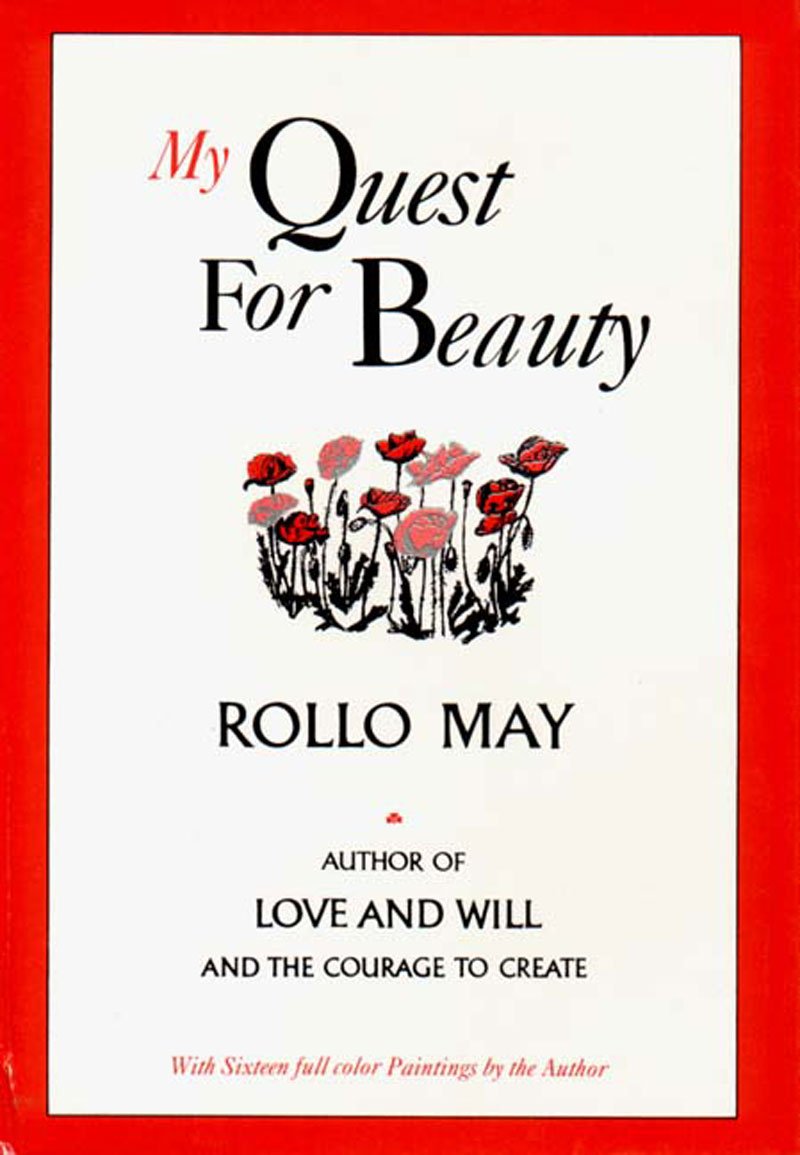
Serving as a type of memoir, May discusses his own opinions the power of beauty. He also states his belief that beauty must be both understood and also valued in the world (May, 1985).
In 1987, he received the American Psychological Foundation Gold Medal Award for Lifetime Contributions to Professional Psychology.

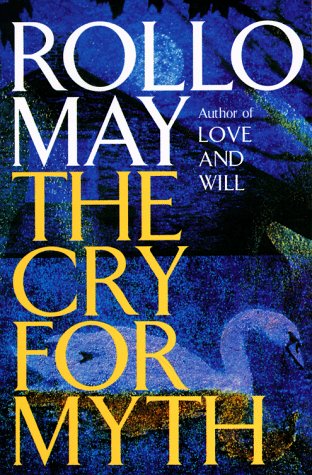
Argued in this book is May's belief that humans can use myths to help them make sense of their lives, based on cases studies May uses from his patients. May discusses how this could be particularly useful to those who need direction in a confusing world (May, 1991).
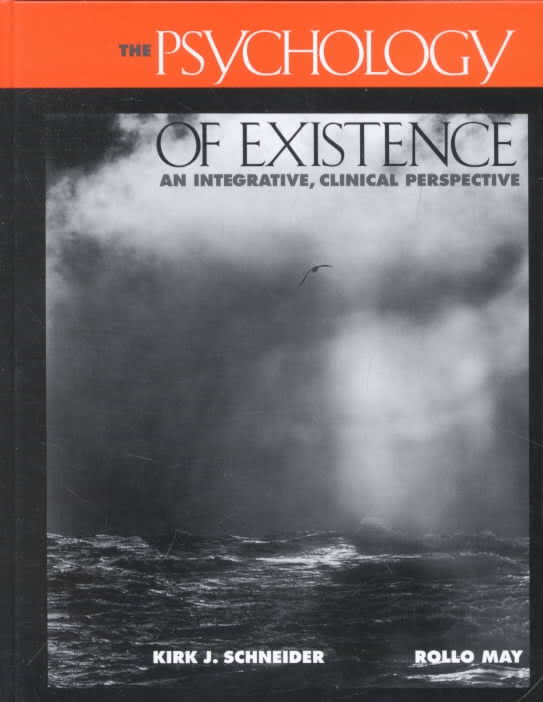
Two days before May’s death, he edited an advanced copy of this book. It was co-authored by Kirk Schneider and was intended to bring some life back into Existential Psychology. Like some previous books this talks of existential psychotherapy and targets scholars (May & Schneider, 1995).